
Why women feel so overstretched – and how massage therapy can help
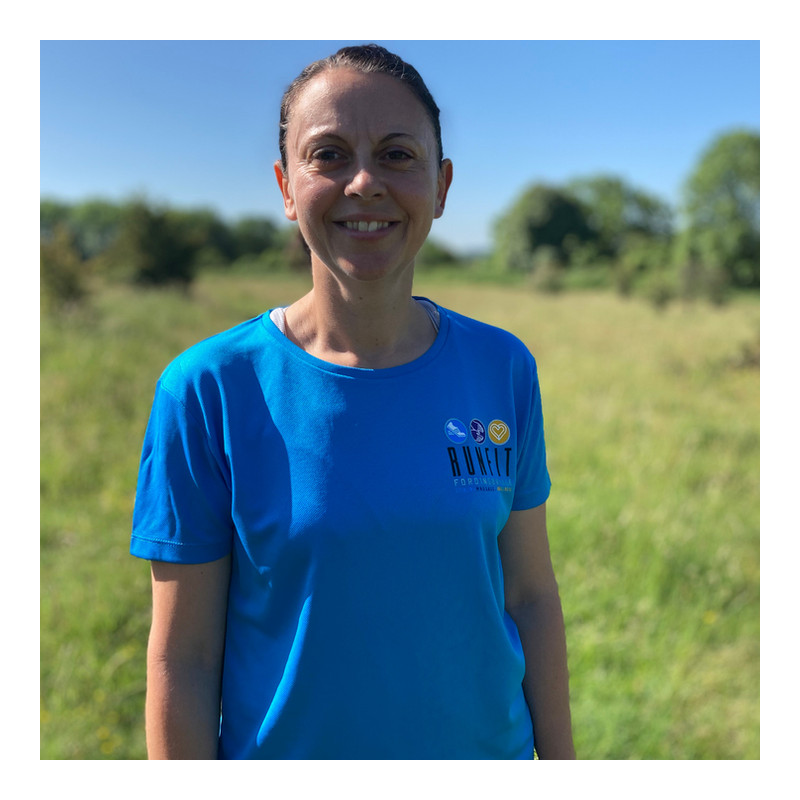
Life for many women has become a constant juggle. Work, family, caring responsibilities, emotional load, housework, training goals, and the pressure to “keep everything going” can easily build into a level of strain that feels endless. Even when you enjoy the things you do, the cumulative weight of it all can leave your body tired, your mind overloaded and your nervous system running on empty.
In my work at Run Fit Fordingbridge—a women’s-focused boutique studio and offering massage in Fordingbridge—I see this every day. Women who are capable, organised and resilient often arrive feeling depleted, tense and close to burnout. This blog explores why this happens, how it affects the body, and why targeted massage therapy can be such an effective way to reset and recover.
The invisible load many women carry
For many women, exhaustion is not caused by one big thing but the accumulation of many small things. This “invisible load” is the mental, emotional and organisational toil that often goes unnoticed, unacknowledged and unshared.
Common examples include:
remembering everything for everyone
anticipating others’ needs
being the emotional support system in the household
carrying responsibility for planning, logistics and day-to-day tasks
balancing work with care-giving roles
feeling pressure to maintain health and fitness routines on top of it all
Even in supportive homes, this load can be disproportionately carried by women. Over time, it drains energy, limits rest and keeps the nervous system in a near-constant state of alertness.
How chronic stress shows up in the body
The body is designed to manage short bursts of stress. It is not designed for stress that continues day after day with no chance to reset. Many women dismiss their symptoms as simply “being busy,” but the effects are very real.
Common physical signs include:
tension across the neck, shoulders and upper back
headaches or jaw clenching
disrupted sleep
aching lower back or hips
shallow breathing
increased muscle tightness
a sense of never fully relaxing
When the nervous system is constantly activated, muscles stay tighter, recovery slows and the body’s ability to self-regulate diminishes. This is where massage therapy can play a transformative role.
Why massage therapy is so effective for women under strain
Massage offers something that many women rarely experience in daily life: uninterrupted time, stillness and focused care. The therapeutic benefits go well beyond relaxation.
Regulation of the nervous system
Massage helps shift the body out of a stress-driven state and into the parasympathetic system—your rest, digest and recover mode. Once the nervous system down-regulates, physical tension can finally soften.
Reduction in muscle tightness
Tight upper backs, shoulders and hips are extremely common in women who carry a heavy mental and emotional load. Sports massage, myofascial release and hot stone massage all support improved mobility, reduced restriction and deep muscular relief.
Better sleep and recovery
Improved circulation, lower stress hormones and reduced muscle tension all contribute to better-quality rest—something many women struggle to prioritise.
Dedicated space for your well being
Perhaps the most overlooked benefit: having a protected space that is just for you. A calm, private, environment allows you to switch off without pressure, judgement or distraction.

What makes massage at Run Fit Fordingbridge different
At my women’s-focused boutique studio in Fordingbridge, the experience is deliberately unhurried, quiet and personalised. Every treatment is tailored to what your body needs on the day—whether that is deep tissue work, soothing hot stones or gentle myofascial techniques.
I have been qualified in massage since 2016 and hold advanced qualifications in:
Sports Massage
Myofascial Release
Hot Stone Massage
With nearly a decade of professional experience, I work with women who want to feel less stressed, more mobile and more grounded in their bodies.
Giving yourself permission to rest
Women often wait until they feel completely exhausted before seeking help. But meaningful change happens earlier—when you choose to decompress, rebalance and release accumulated tension before it becomes overwhelming.
If you recognise yourself in this blog, know that you are not alone. And you do not have to push through on your own.
A single massage can make a difference. A regular routine can transform how you feel day to day.

Book a massage in Fordingbridge
If you would like to experience a calming, restorative massage designed specifically for women, you can book directly through my website at:https://www.runfitfordingbridge.co.uk/sanctuary
Your body will thank you for taking the time.
References
American Massage Therapy Association (2023). Massage Therapy and Stress. Retrieved from amtamassage.org.
Cleveland Clinic (2022). The Science Behind Stress: What It Does to Your Body. Retrieved from my.clevelandclinic.org.
Harvard Health Publishing (2021). Understanding the Stress Response. Retrieved from health.harvard.edu.
Mental Health Foundation (UK) (2023). Stress: Are We Coping? Retrieved from mentalhealth.org.uk.
National Institute for Health and Care Excellence (NICE) (2020). Managing Stress and Anxiety. Retrieved from nice.org.uk.
About the author
Sue Jewell is a highly experienced massage therapist based in Fordingbridge, offering nearly ten years of professional practice in Sports Massage (Level 4), Hot Stone Massage and Myofascial Release. She is the founder of Run Fit Fordingbridge, a women’s-focused boutique studio providing specialist massage in Fordingbridge and the wider New Forest area.
Sue’s treatments—including relaxation massage, sports massage and hot stone massage—are designed specifically for women seeking reduced tension, improved mobility and meaningful rest in a calm, private environment.
Alongside her massage qualifications, Sue is an England Athletics Endurance Event Coach with extensive experience supporting women through movement, training and recovery. Her practice emphasises professionalism, safety and a personalised therapeutic approach for every client.


I can definately recommend a massage with Sue. The room is relaxing with a warm couch and chill out music I have been known to fall asleep. The hot stones are lovely. My favourite are the 'cups' for releasing tight areas - I end up looking light a pepporoni pizza but it is short lived and the results are amazing.